
Landowner’s Guide to Invasive Species and Forestry Management in Illinois
For landowners across Mason County and the greater Illinois River Valley, owning a piece of the “Prairie State” is a point of pride. Whether your acreage is a legacy family farm near Havana, a hunting retreat in Kilbourne, or a wooded residential lot in Manito, the health of your trees determines the value and safety of your property.
However, Illinois forests are currently under siege by aggressive, non-native invaders like Autumn Olive and Russian Olive.
1. The “Silver” Menace: Identifying Autumn and Russian Olive
If you’ve noticed shrubs with silvery-green leaves and small, speckled berries taking over your fence rows or forest edges, you are likely dealing with the “Olive” invasion.
Autumn Olive (Elaeagnus umbellata)
Originally introduced for erosion control and wildlife habitat, Autumn Olive has become one of Illinois’ most problematic woody invasives.
-
Appearance: A large shrub or small tree that can reach 20 feet.
Leaves are dark green on top and strikingly silver underneath. -
The Danger: A single plant can produce up to 200,000 seeds annually.
Birds spread these seeds rapidly, allowing the plant to out-compete native oaks and hickories for sunlight and nutrients.
Russian Olive (Elaeagnus angustifolia)
Similar to its cousin, the Russian Olive is more tree-like and often features sharp thorns. It is particularly hardy in the sandy soils of Mason County, thriving where other native species struggle.
2. Beyond Olives: Other Common Illinois Invaders
While the Olives are high-profile, Randy’s Tree Service frequently handles a variety of other species that threaten Illinois forestry:
-
Bush Honeysuckle: These shrubs create a dense “dead zone” underneath them where no native wildflowers or tree seedlings can grow.
-
Multiflora Rose: A thorny, climbing shrub that can form impenetrable barriers, making your land unusable for recreation or livestock.
-
Common Buckthorn: Often found in the wetter areas of Topeka and Forest City, buckthorn creates a monoculture that degrades soil health and provides poor nutrition for local wildlife.
-
Tree of Heaven: An aggressive tree that produces chemicals in its roots to kill off neighboring plants (allelopathy).
3. Professional Forestry Management: More Than Just Removal
Forestry management is the science of tending to a woodland to meet specific goals—whether that’s timber production, wildlife habitat, or aesthetic beauty.
Forest Stand Improvement (FSI)
Think of FSI as “weeding” your forest. We identify the “crop trees”—the healthy oaks, walnuts, and maples—and remove the “junk trees” and invasives that are crowding them out. This allows the remaining trees to grow faster and stronger.
Habitat Restoration
Many of our clients in Bath and Snicarte are hunters. To have a healthy deer or turkey population, you need a diverse understory. Removing thickets of Autumn Olive allows native mast-producing shrubs and forbs to return, providing the high-quality forage wildlife needs.
Understory Thinning
In towns like Mason City and San Jose, many residential wooded lots have become overgrown. Thinning the understory not only looks better but also improves airflow and reduces the risk of fungal diseases among your prize shade trees.
4. Why DIY Often Fails: The “Hydra” Effect
The biggest mistake landowners make is simply cutting invasive shrubs down with a chainsaw or brush-hog.
The Warning: Autumn Olive and Buckthorn are “prolific sprouters.”
If you cut the stem but don’t treat the root, the plant will respond by sending up 5 to 10 new shoots from the stump. Within a year, you will have a bush that is twice as thick as the one you started with.
The Randy’s Tree Service Professional Approach:
-
Mechanical Removal: We use specialized equipment like forestry mulchers or high-reach saws to clear the bulk of the vegetation.
-
Cut-Stump Treatment: Immediately after cutting, we apply a targeted, professional-grade herbicide to the outer ring of the stump. This kills the root system and prevents re-sprouting.
-
Foliar Spraying: For large “monocultures” of young invasives, we use mist blowers or backpack sprayers to treat the leaves during the active growing season.
5. Financial Incentives: Making Management Affordable
Did you know that managing your forest can actually save you money on taxes? Illinois offers several programs for proactive landowners:
The Forestry Development Act (FDA)
If you own 10 or more acres of forest, you may qualify for the FDA program.
-
Property Tax Relief: Approved land is assessed at 1/6th of its value as cropland, significantly lowering your annual tax bill.
-
Cost-Share: Programs like EQIP (Environmental Quality Incentives Program) through the NRCS can reimburse landowners for a large portion of the cost of invasive species removal and forest stand improvement.
Randy’s Tree Service can work alongside your District Forester to implement the specific management practices required to keep your land in compliance with these tax-saving programs.
6. The Rural Advantage: High-Quality Service at a Lower Cost
As discussed in our previous guides, Randy’s Tree Service is uniquely positioned to help rural Illinois landowners.
-
No “City” Surcharges: We don’t have the massive overhead of Peoria-based operations. Our equipment is stationed right here in Mason County, allowing us to offer competitive rates for large-acreage projects.
-
Specialized Equipment: From stump grinders to forestry mulchers, we have the tools to handle 50 acres of Autumn Olive just as easily as a single tree in a backyard in Easton.
-
Local Knowledge: We understand the specific soil types and weather patterns of the Illinois River Valley, ensuring that our treatments are applied at the optimal time for maximum effectiveness.
Conclusion: Take Back Your Land
An unmanaged forest is a declining forest. By removing invasive species like Autumn Olive and Russian Olive, you aren’t just cleaning up your property—you are investing in the future of the Illinois landscape.
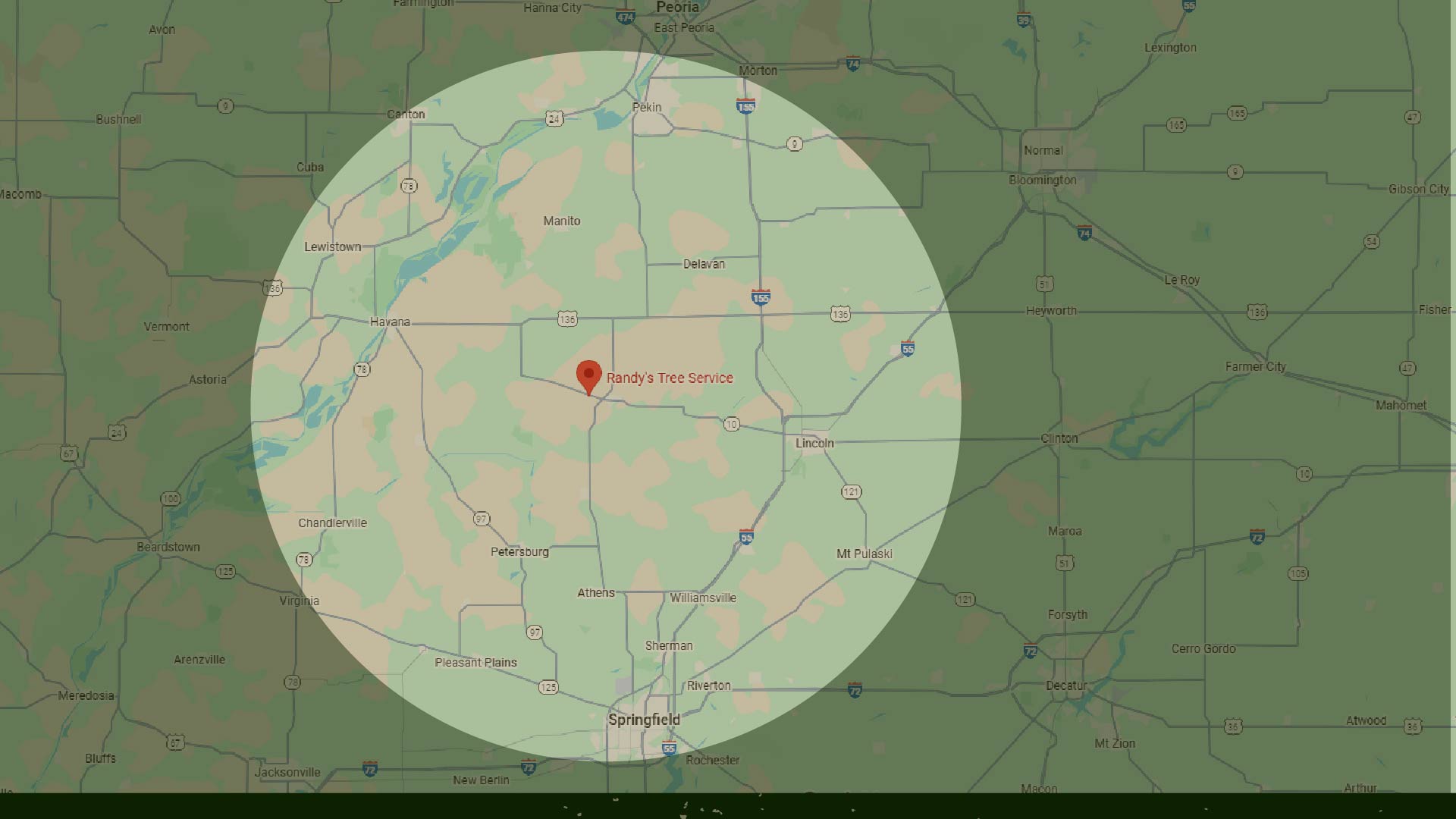
Whether you are in Havana, Mason City, Manito, San Jose, Bath, Easton, Forest City, Kilbourne, Topeka, or any of our surrounding rural communities, Randy’s Tree Service is your partner in professional forestry management.
Ready to see what’s hiding under those invasive thickets? Would you like me to help you draft a letter of intent for the IDNR to start the process of getting your land certified under the Forestry Development Act?