

Quality Custom Sawn Lumber
Our sawmill is not mobile, but you can drop off your trunks to be sawn at our shop address. Call us for a custom rate to saw thicker than average slabs for your custom woodworking.

Live edge Custom Slabs
The industry standard for a high grade tabletop 2+ inch thick slabs currently dried and available in walnut and limited stock in other species.
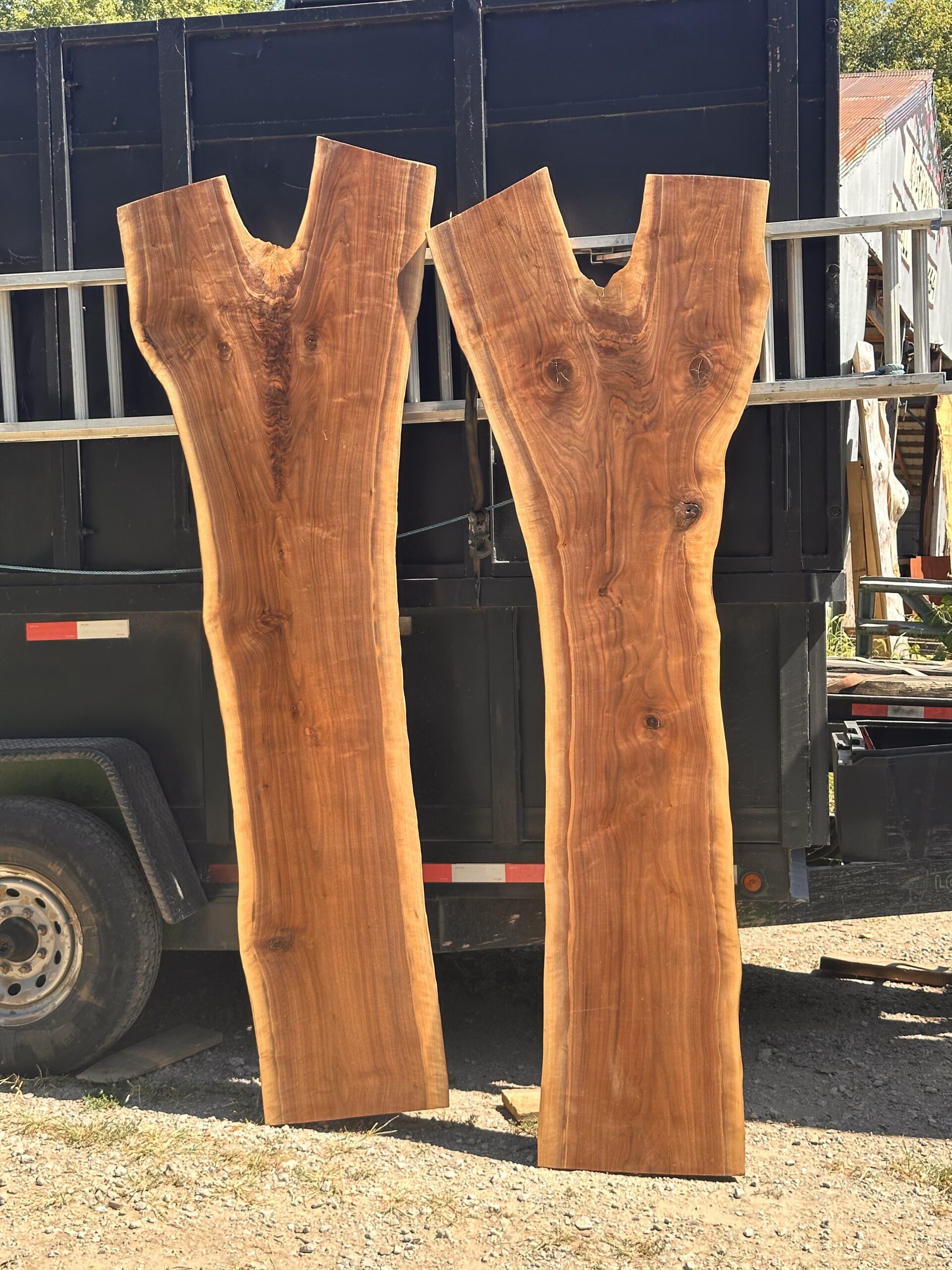
0016_rosewood-sawmill-mason-county-IL
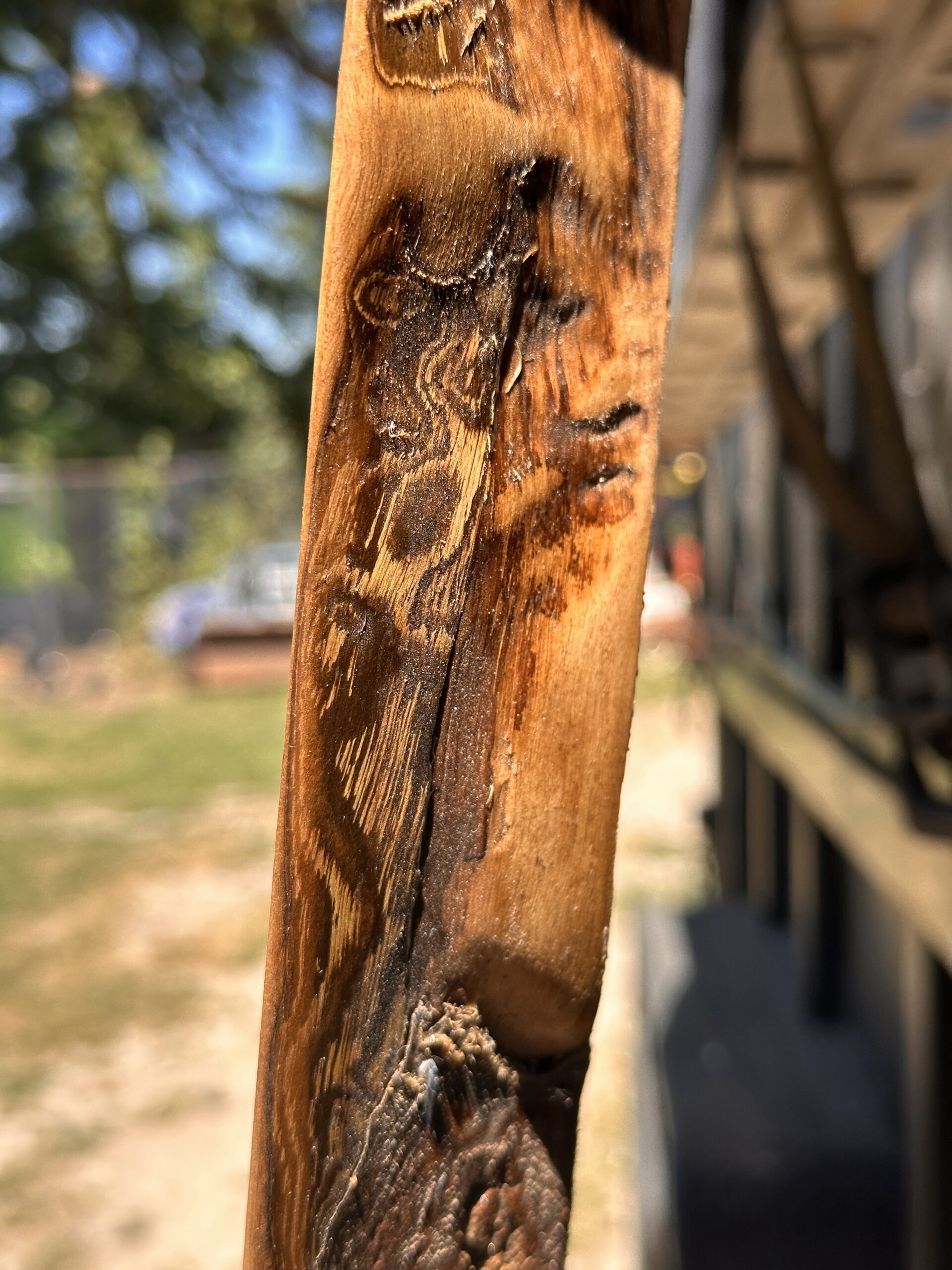
0017_rosewood-sawmill-mason-county-IL
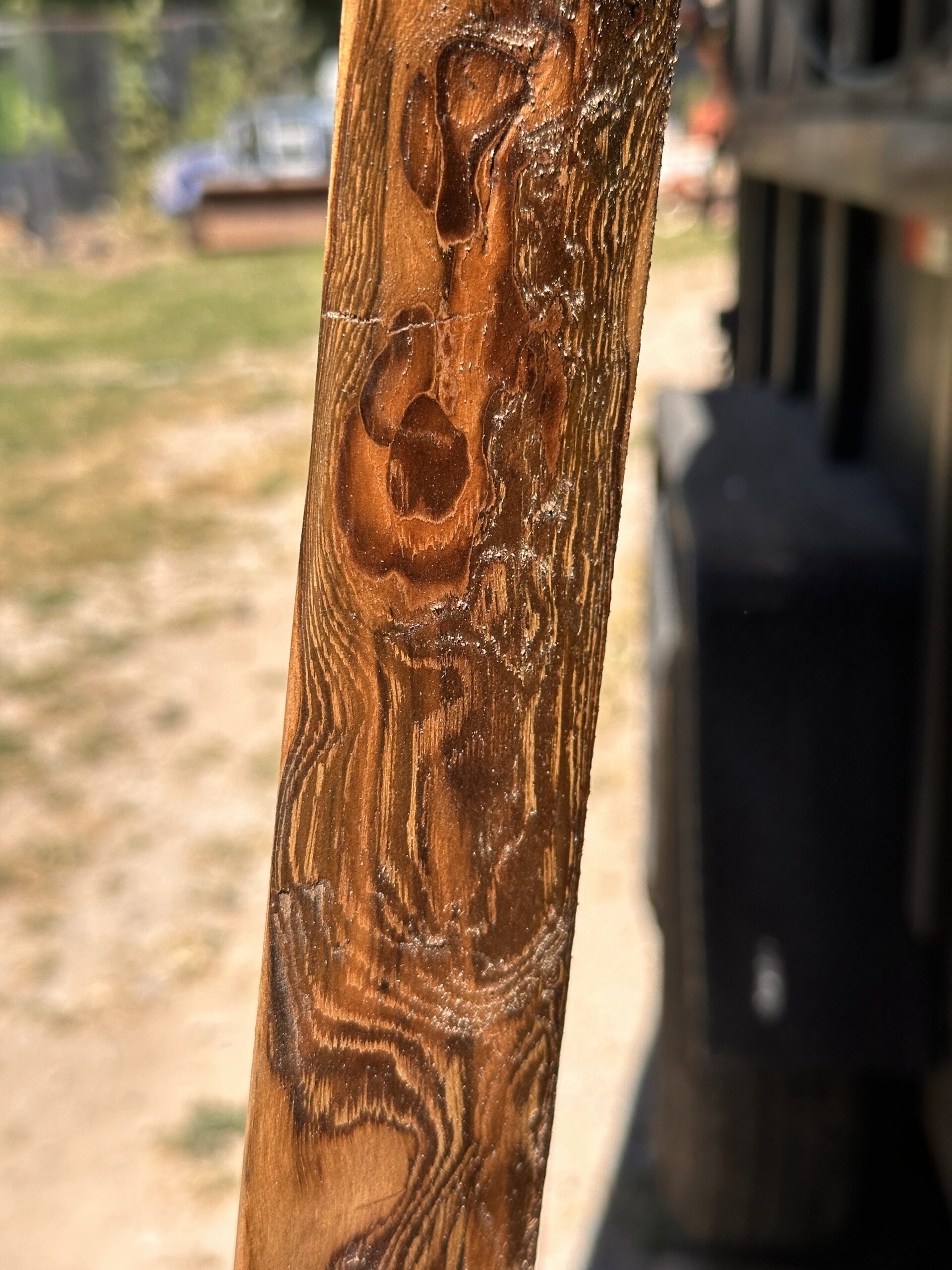
0018_rosewood-sawmill-mason-county-IL
0020_rosewood-sawmill-mason-county-IL
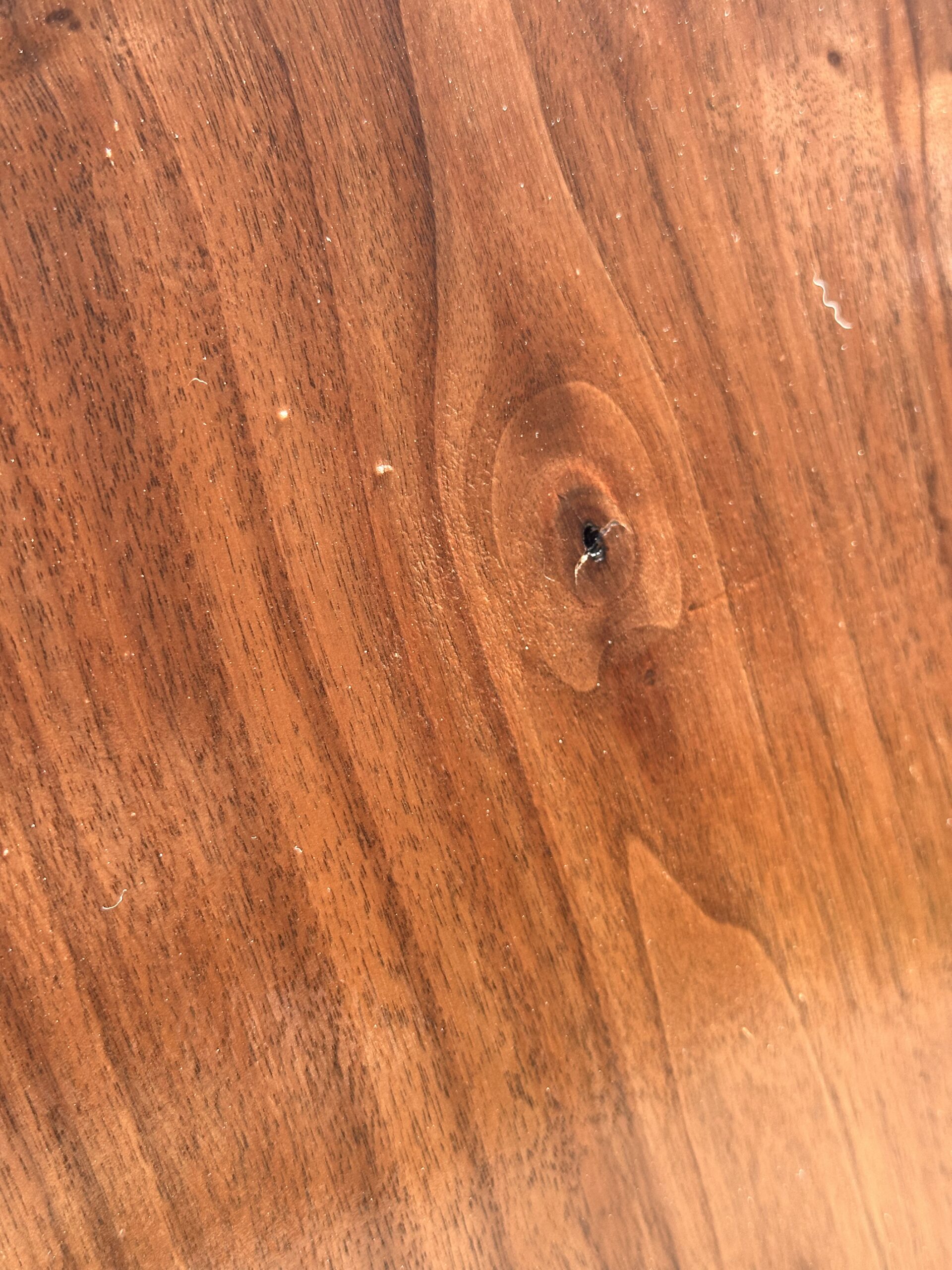
0021_rosewood-sawmill-mason-county-IL
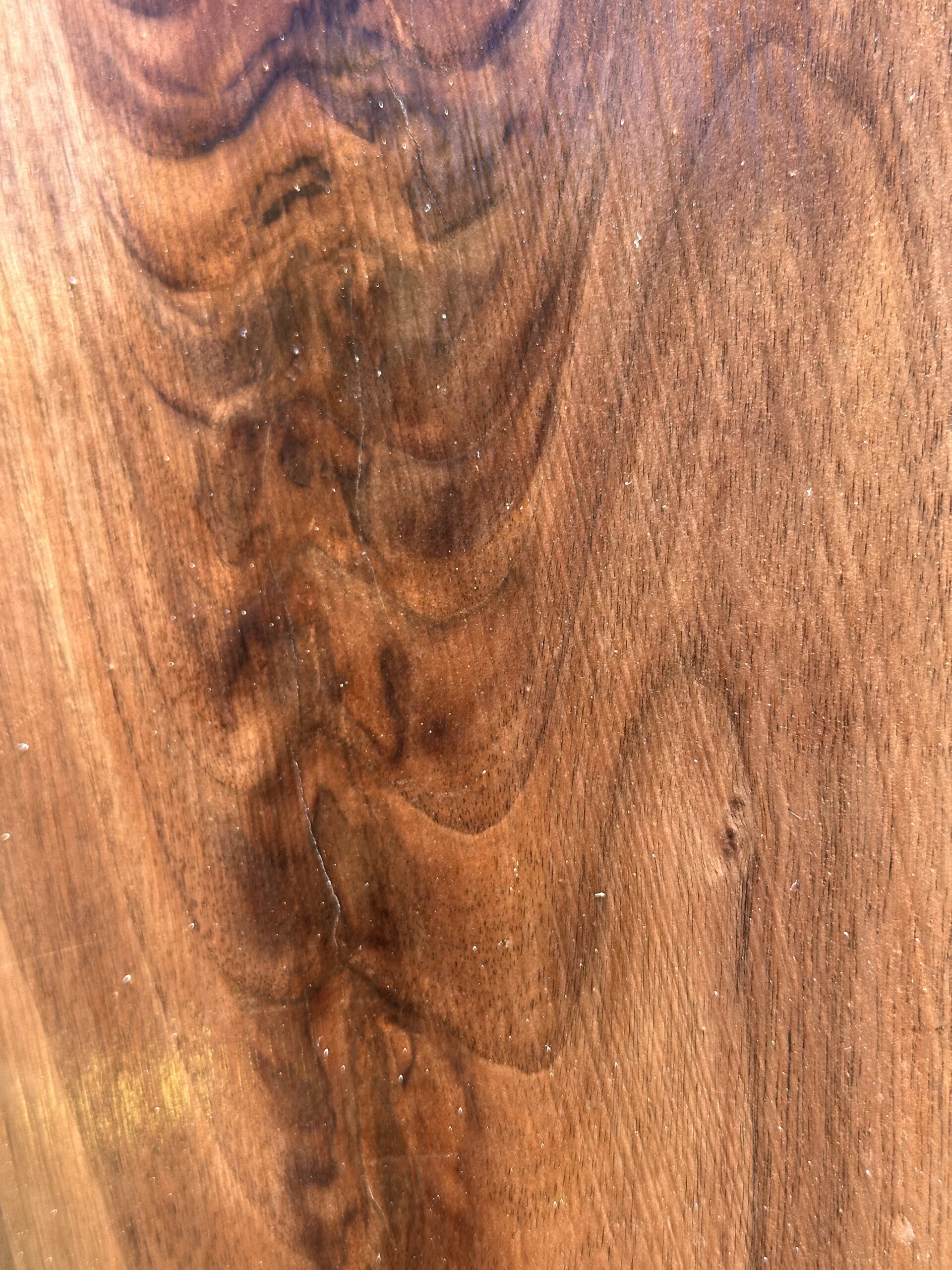
0022_rosewood-sawmill-mason-county-IL

0023_rosewood-sawmill-mason-county-IL
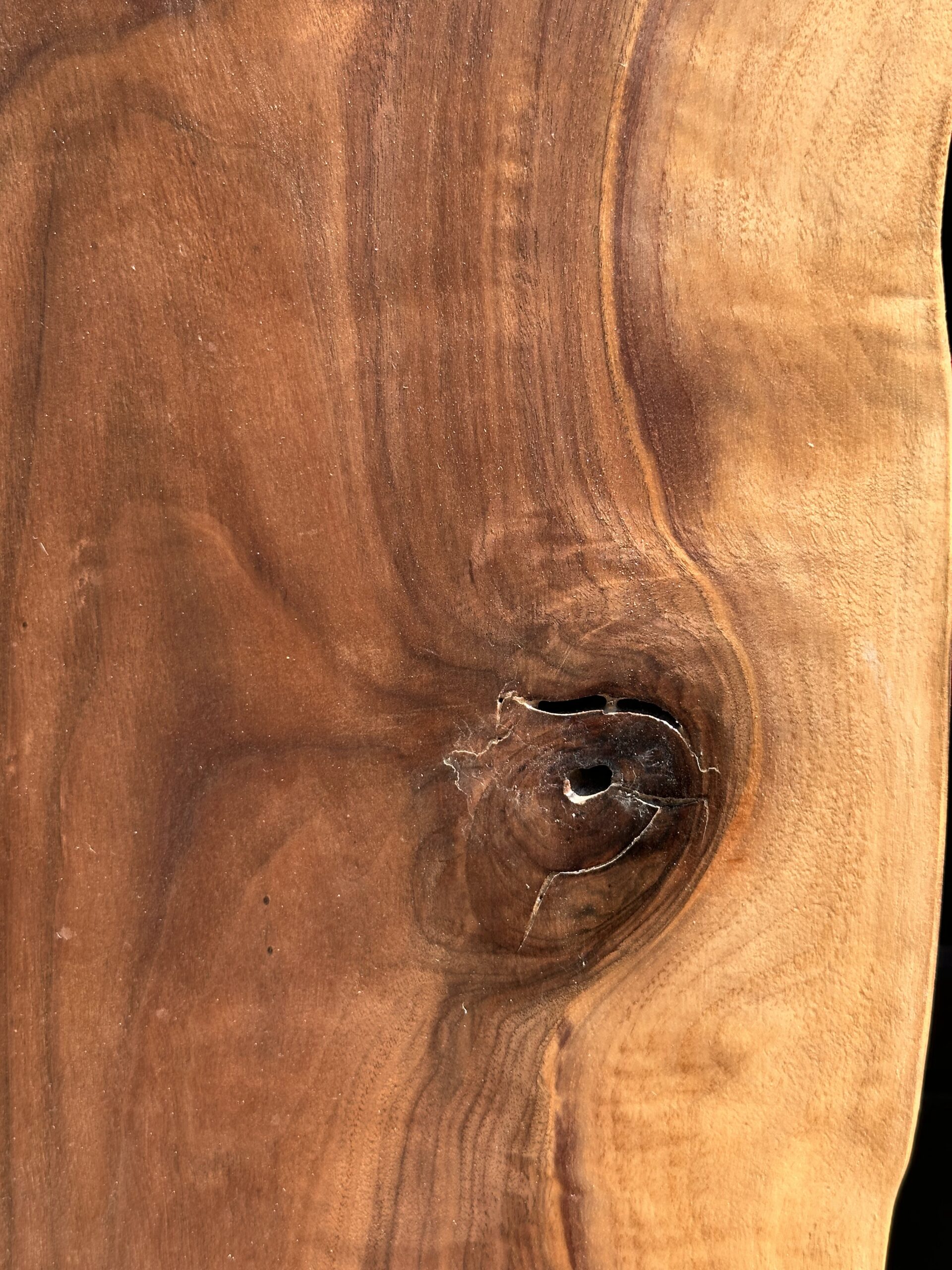
0025_rosewood-sawmill-mason-county-IL
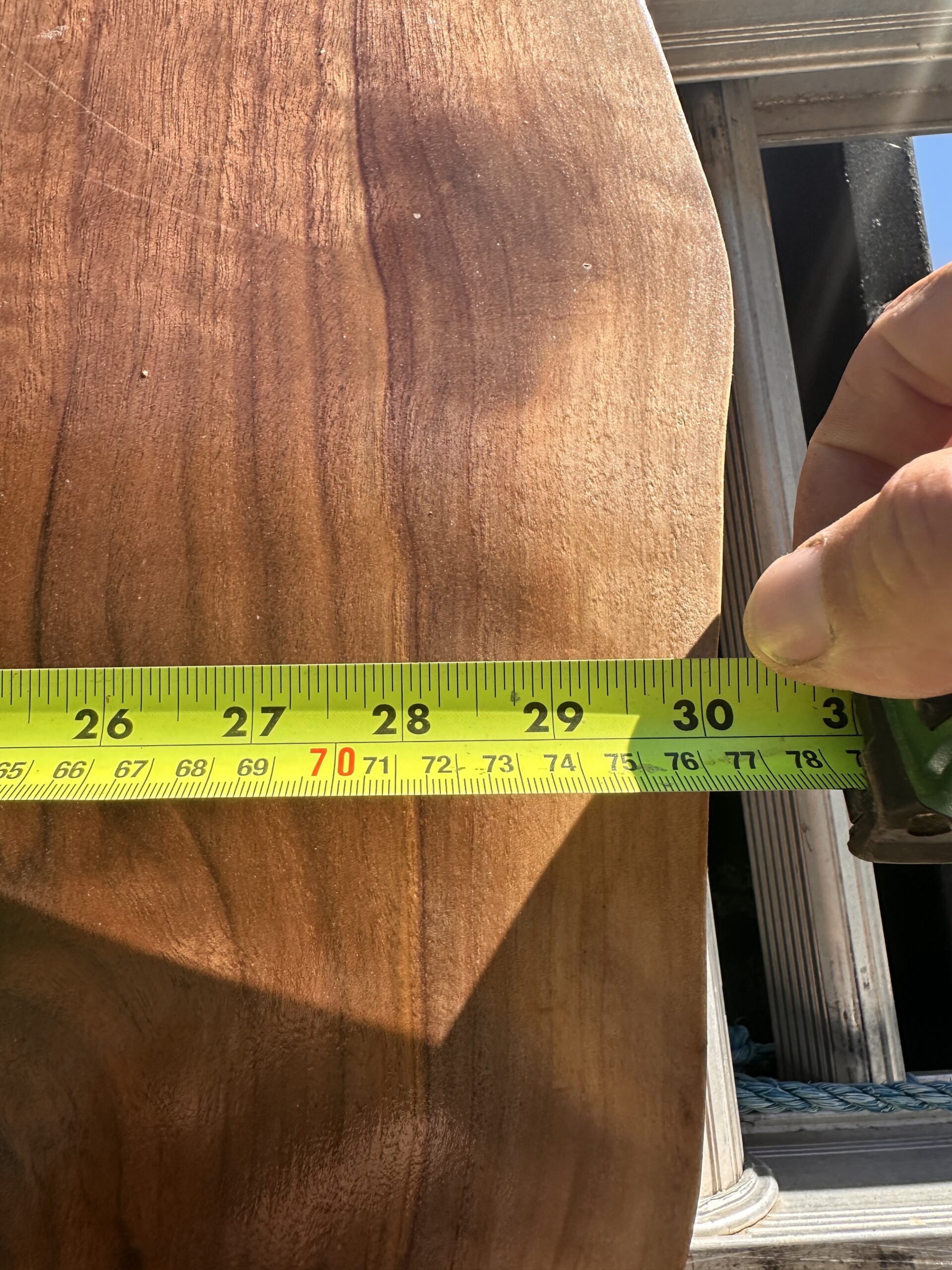
0026_rosewood-sawmill-mason-county-IL
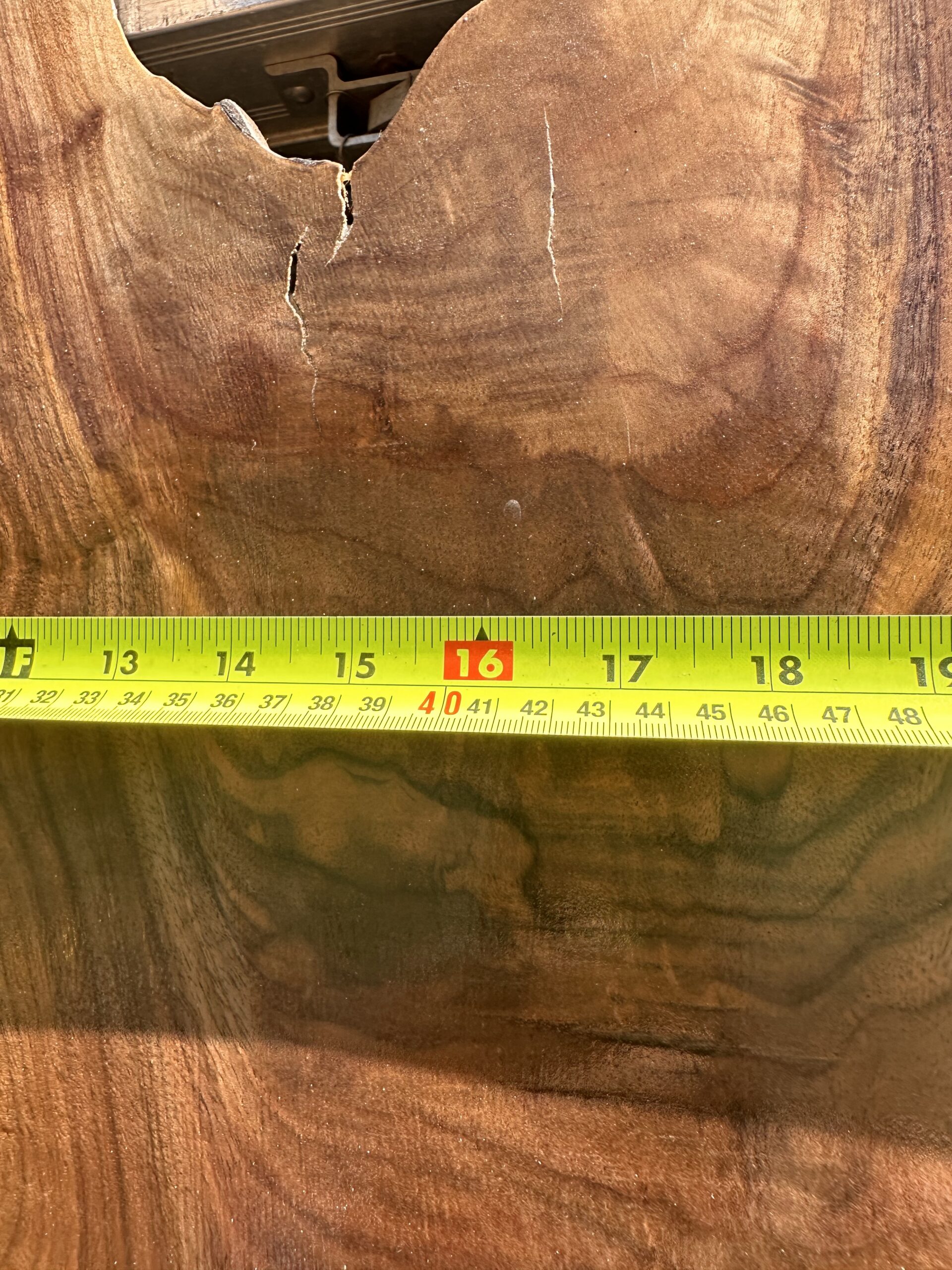
0027_rosewood-sawmill-mason-county-IL
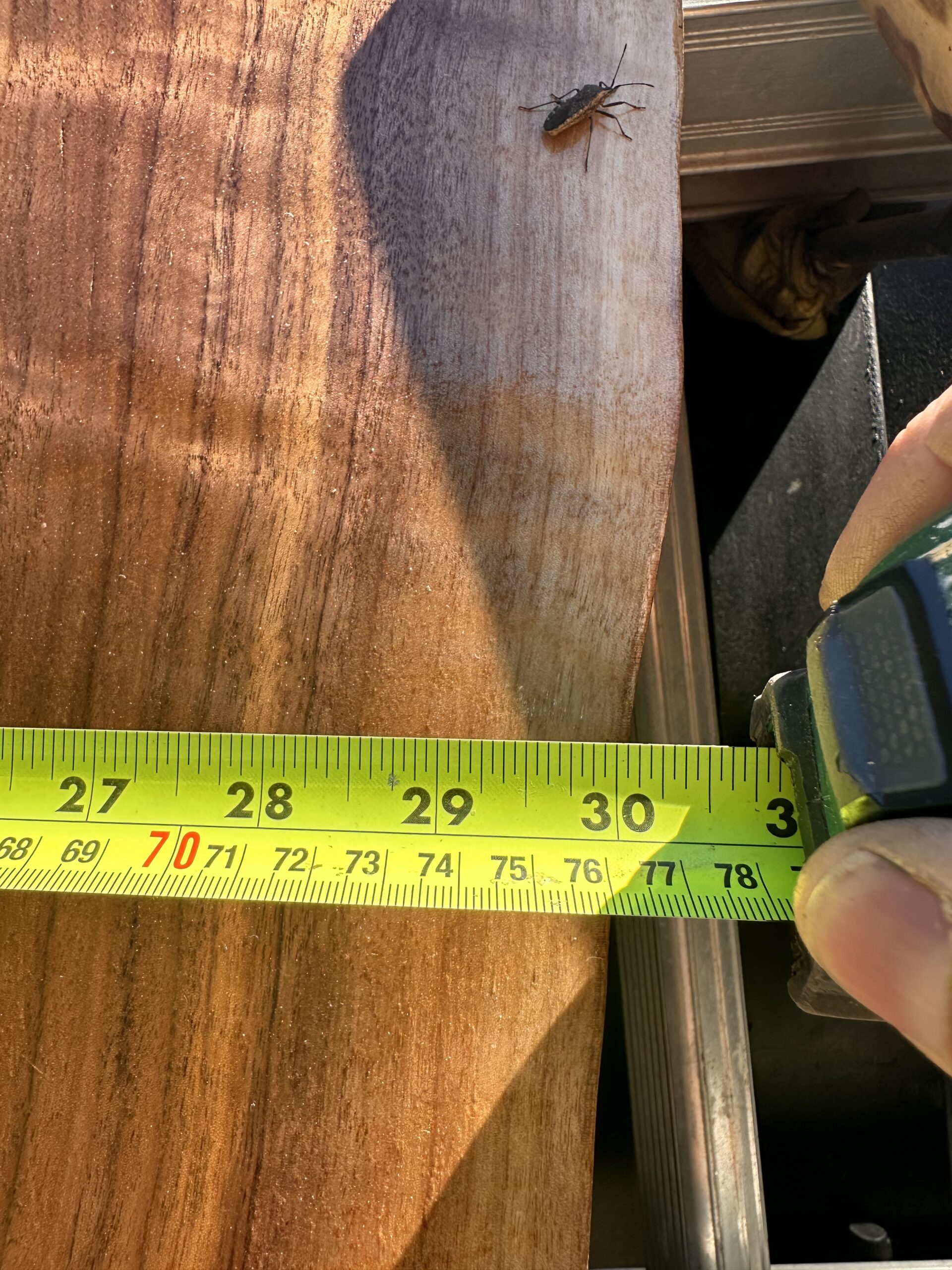
0028_rosewood-sawmill-mason-county-IL
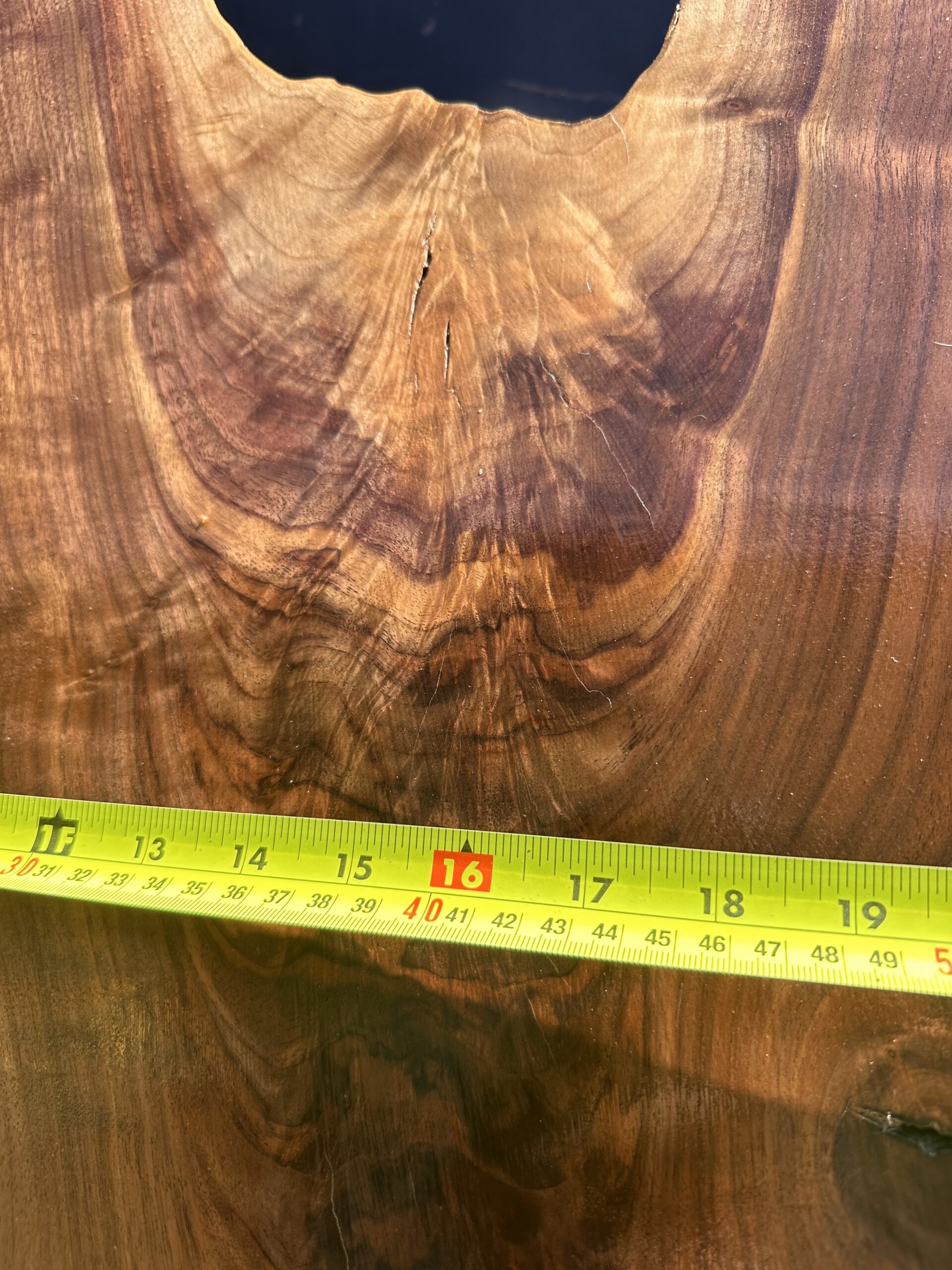
0029_rosewood-sawmill-mason-county-IL
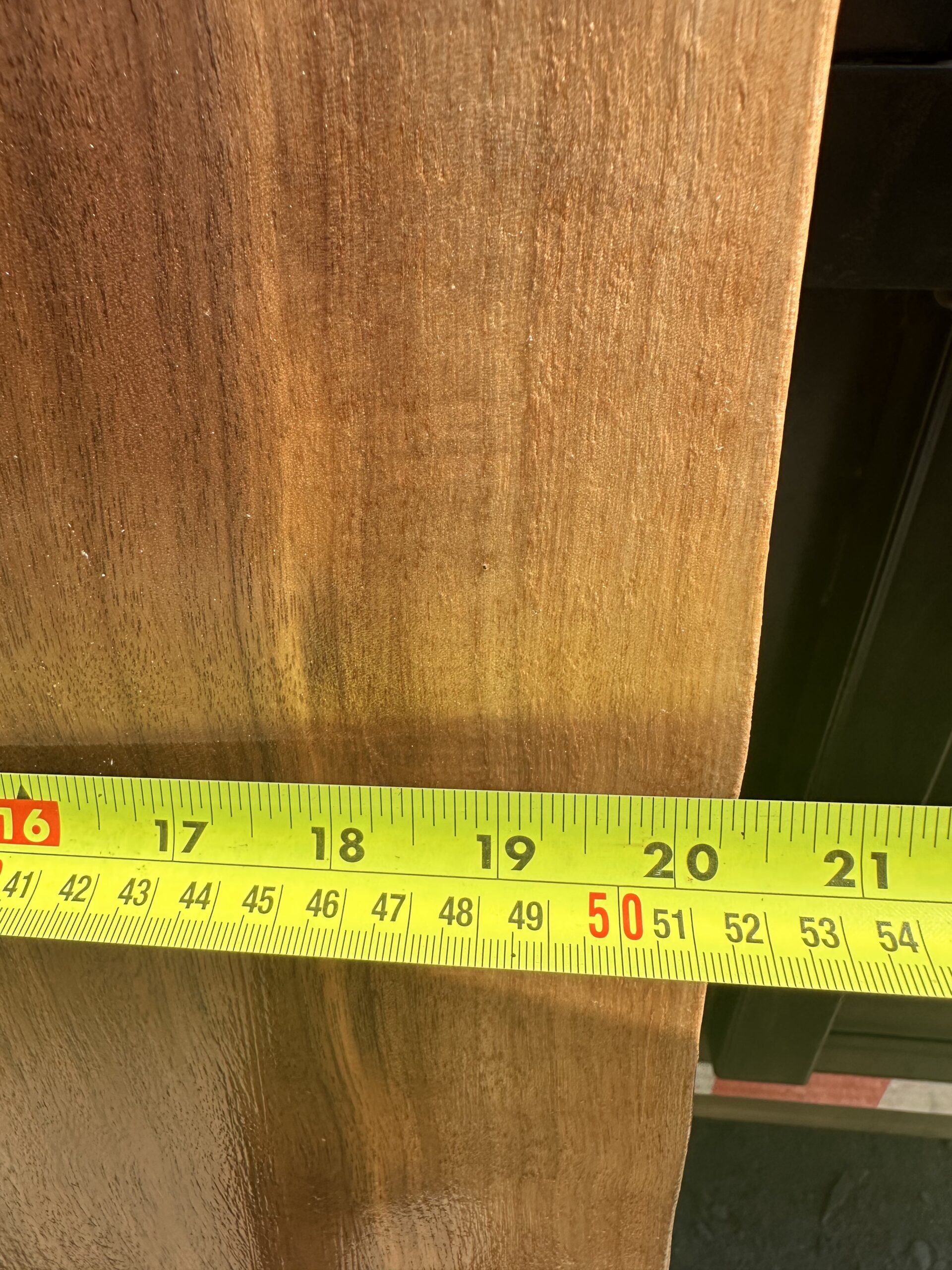
0030_rosewood-sawmill-mason-county-IL
Custom Sawmill Services in Mason County, Illinois
For landowners, woodworkers, and builders in Mason County, Illinois, sourcing high-quality lumber often means looking beyond the limited selection of big-box hardware stores. Whether you need specific dimensional lumber for agricultural repairs, live edge slabs for fine furniture, or heavy timber beams for construction, utilizing a local custom sawmill is the most effective way to maximize the value of local timber. The unique geography of Mason County—from the sandy ridges of Manito to the river bottoms of Havana—produces a diverse range of tree species perfectly returned to service through custom milling.
Why Choose Custom Sawn Lumber in Central Illinois?
Mass-produced lumber is milled for speed and uniformity, often sacrificing the character and durability of the wood. In contrast, custom sawmilling allows for specified lumber needs that match the exact requirements of your project. This is particularly valuable in rural areas like Mason County where agricultural and restoration projects often require non-standard dimensions.
- Full Dimension Rough Cut: unlike “nominal” lumber (where a 2×4 is actually 1.5″ x 3.5″), rough sawn lumber offers full thickness for superior strength, ideal for barn siding, fencing, and trailer decking.
- Live Edge Slabs: Keeping the natural edge of the tree creates one-of-a-kind pieces for tables, countertops, and mantels.
- Heritage Tree Preservation: If a storm brings down a sentimental tree on your property in Bath or Kilbourne, custom sawing can turn that loss into heirloom furniture or flooring.
- Cost Efficiency: For those with their own logs, milling your own timber is significantly cheaper per board foot than purchasing retail lumber.
Native Tree Species of Mason County: A Lumber Guide
Mason County’s geology is distinct within Illinois, featuring the sandy soils of the ancient Illinois River floodplain and the heavy soils of the river bottoms. This landscape supports a variety of species, each suited for different lumber applications.
1. The River Bottom Giants
Along the Illinois River near Havana and Lynchburg, the soil is rich and moist, supporting fast-growing species.
- Eastern Cottonwood: Often overlooked, Cottonwood is a staple for local agriculture. When sawn into thick planks, it is incredibly tough and resistant to splitting, making it the premier choice for horse stall kickboards and trailer flooring.
- Silver Maple: Abundant in the wetlands, Silver Maple is softer than hard maple but excellent for painted cabinetry, secondary furniture wood, and pallets.
- Sycamore: Recognizable by its peeling bark, Sycamore produces lumber with a unique “quarter-sawn” grain pattern that is highly prized for drawer sides and decorative woodworking.
2. The Sand Ridge Hardwoods
Moving inland toward Forest City, Manito, and the Sand Ridge State Forest area, the sandy soil supports timber with tight grain and high density.
- Black Oak & Northern Red Oak: The backbone of the local timber industry. These red oak group species are essential for heavy construction, trailer decking, railroad ties, and rustic flooring. They offer high structural strength and rot resistance when properly treated or kept dry.
- White Oak: The gold standard for outdoor durability. White Oak is closed-grain and water-tight, making it perfect for outdoor furniture, fence posts, and barrel staves. It is highly sought after in the Mason City area for restoration work.
- Black Hickory: Known for extreme hardness. While difficult to work with hand tools, Hickory is unmatched for tool handles, high-impact flooring, and charcoal production.
3. Fine Furniture Woods
- Black Walnut: Found throughout the county in well-drained soils, Walnut is the most valuable timber in the Midwest. Custom sawing walnut logs into live edge slabs or dimensional lumber yields a deep, chocolate-brown wood that commands premium prices for cabinetry and tables.
- Black Cherry: Aging to a rich reddish-brown, Cherry is smooth-grained and easily workable, ideal for fine joinery and interior trim.
Service Areas and Local Context
A custom sawmill operation in Mason County is uniquely positioned to serve the specific needs of the local townships. The lumber requirements in San Jose often differ from those in the river towns.
Havana & Bath (River Region): Demand here often focuses on marine-adjacent projects, duck blind construction, and flood-resistant materials. Rough-sawn Oak and treated timber are frequently requested. Additionally, the abundance of driftwood and storm-felled timber near the river provides a constant source of unique “character wood” for artisans.
Manito & Forest City (The Sand Plain): The sandy soil here produces straight, tall timber. Landowners often require fencing materials and barn siding. The local “sand scrub” oaks, while sometimes smaller, are incredibly dense and burn hot, making slab wood offcuts a valuable heating source for the community.
Mason City & Easton (Agricultural Heartland): In the rich farmland areas, the primary need is often heavy-duty blocking for equipment, trailer decking, and fencing boards. Custom sawmills can cut 16-foot or 20-foot beams that are simply unavailable at standard lumber yards, essential for repairing older timber-frame barns common in the area.
From Log to Lumber: The Process
Understanding the custom milling process helps customers get the best results. Whether utilizing a portable bandsaw mill that comes to your property or hauling logs to a stationary site in Topeka or Goofy Ridge, the steps remain similar.
- Log Selection: Not every tree makes good lumber. Sawyers look for straight logs with minimal rot. In Mason County, watch out for metal (nails, fencing) in fence-row trees, which can damage saw blades.
- Milling: The logs are cut to your specified thickness. “Quarter sawing” is available for oaks to reveal medullary rays (flecks), while “flat sawing” provides the most yield.
- Drying: Freshly cut “green” lumber must be dried before use in fine furniture to prevent warping. It can be air-dried (1 year per inch of thickness) or kiln-dried for faster results. For outdoor projects like siding or trailers, green lumber is often used immediately.
Conclusion
Whether you are building a new machine shed in Kilbourne, restoring a historic home in Havana, or simply looking to utilize a walnut tree that fell in your yard in Easton, custom sawmilling offers a sustainable, high-quality solution. By using Mason County’s native timber, you are investing in materials that are locally grown, locally sawn, and built to last.
Havana IL
Mason City IL
Topeka IL
Easton IL
Forest City IL
Kilbourne IL
San Jose IL
Allens Grove
Bath
Crane Creek
Forest City
Kilbourne
Lynchburg
Pennsylvania IL
Quiver
Salt Creek
Sherman
Manito IL